
The Pros and Cons of High Deductible Health Plans-www.waukeshahealthinsurance.com-www.waukeshahealthinsurance.com
With a plethora of options available, understanding the nuances of each is crucial. One increasingly popular choice is the High-Deductible Health Plan (HDHP). These plans offer lower monthly premiums in exchange for higher out-of-pocket costs before insurance coverage kicks in. While the lower premiums are attractive, it’s essential to weigh the potential benefits against the significant risks involved. This comprehensive guide will delve into the pros and cons of HDHPs, helping you make an informed decision about your healthcare coverage.
Understanding High-Deductible Health Plans (HDHPs)
An HDHP is a health insurance plan with a higher-than-average deductible. The deductible is the amount you must pay out-of-pocket for covered healthcare services before your insurance company begins to pay its share. HDHPs typically pair with a Health Savings Account (HSA), offering a powerful tool for tax-advantaged savings for healthcare expenses. Learn more about HSAs and their potential benefits by visiting www.waukeshahealthinsurance.com.
The Allure of Lower Premiums: The Pros of HDHPs
The most significant advantage of an HDHP is the lower monthly premiums. This can be a substantial savings, especially for individuals and families with healthy lifestyles and infrequent healthcare needs. This lower cost makes HDHPs particularly attractive to younger, healthier individuals who are less likely to require extensive medical care. The savings can be substantial over time, allowing you to allocate those funds towards other financial goals.
The Power of the Health Savings Account (HSA): A Key Advantage
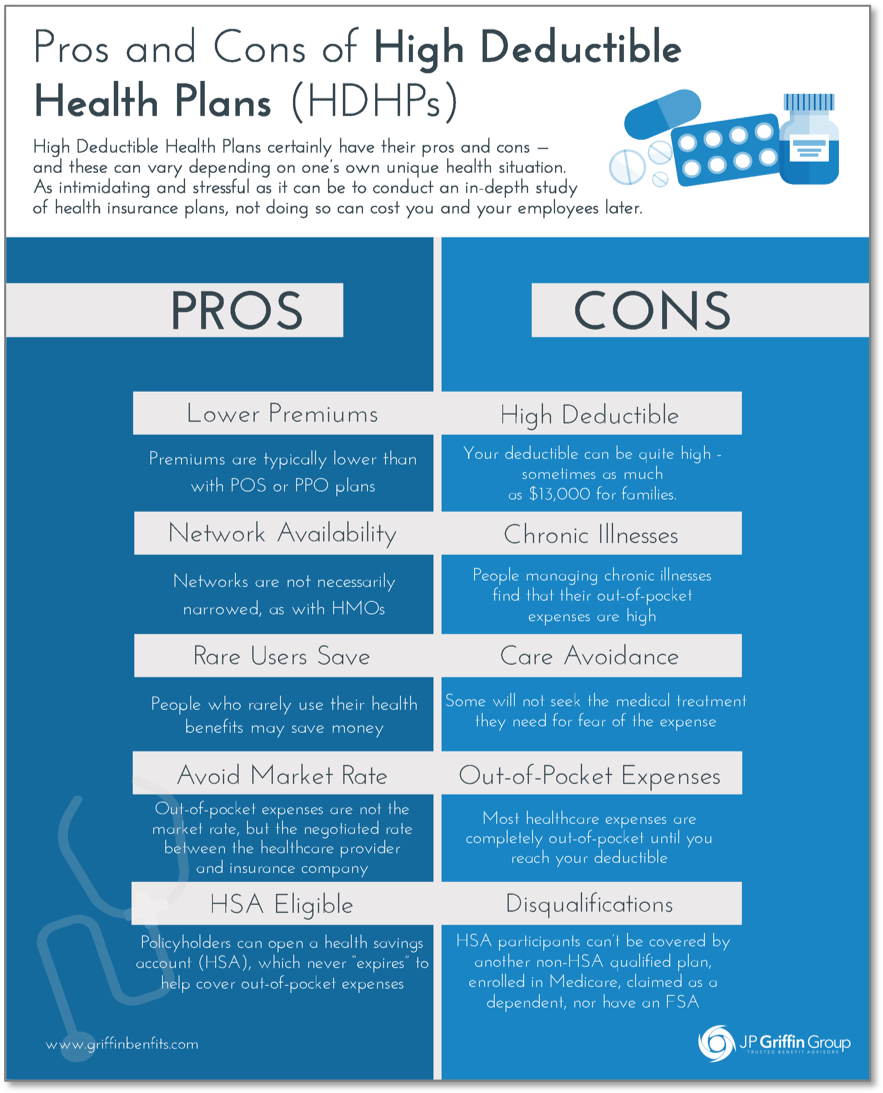
HDHPs often come with the option of opening a Health Savings Account (HSA). This is a significant advantage, offering triple tax benefits: contributions are tax-deductible, earnings grow tax-free, and withdrawals for qualified medical expenses are tax-free. This makes HSAs a powerful tool for long-term healthcare savings. You can contribute to your HSA throughout the year and use the funds to pay for eligible medical expenses, including deductibles, co-pays, and other out-of-pocket costs. For more information on maximizing your HSA contributions and benefits, consult the experts at www.waukeshahealthinsurance.com.
Strategic Financial Planning: Utilizing the HSA Effectively
The HSA isn’t just a way to pay for current medical expenses; it’s a powerful savings vehicle for future healthcare costs. You can invest the money in your HSA, allowing it to grow tax-free over time. This can be particularly beneficial for long-term healthcare planning, providing a safety net for unexpected medical bills later in life. Careful planning and consistent contributions can significantly reduce the financial burden of healthcare expenses in retirement.
The High Costs and Risks: The Cons of HDHPs
While the lower premiums are enticing, the significant out-of-pocket costs associated with HDHPs are a major drawback. The high deductible means you’ll be responsible for paying a substantial amount before your insurance coverage kicks in. This can be financially devastating in the event of a serious illness or injury, potentially leading to significant debt.
The Unexpected Medical Emergency: A Potential Financial Catastrophe
One of the most significant risks of an HDHP is the potential for catastrophic financial loss due to an unexpected medical emergency. A serious illness or accident can result in tens of thousands of dollars in medical bills before the deductible is met. This can strain even the most well-prepared individuals and families, leading to significant debt and financial hardship. It’s crucial to carefully assess your risk tolerance and financial stability before opting for an HDHP. Contact www.waukeshahealthinsurance.com to discuss your options and concerns.
The Impact on Preventive Care: Balancing Cost and Health
While preventive care is often covered at a lower cost or even free under HDHPs, the high deductible might discourage individuals from seeking necessary preventive services. The fear of incurring out-of-pocket expenses can lead to delayed or forgone preventive care, potentially leading to more serious health problems down the line. This is a critical consideration, as preventive care plays a vital role in maintaining good health and preventing costly future treatments.
The Difficulty of Budgeting: Predicting Healthcare Costs

Predicting healthcare costs is notoriously difficult. Unexpected illnesses, injuries, or chronic conditions can significantly increase your healthcare expenses, potentially exceeding your financial capabilities. The unpredictability of healthcare costs makes budgeting with an HDHP challenging, requiring a significant financial buffer to handle unexpected medical bills.
The Mental Health Impact: Stress and Anxiety Related to Healthcare Costs
The financial burden of a high deductible can create significant stress and anxiety. The constant worry about affording healthcare can negatively impact mental health and overall well-being. This is a crucial consideration, as mental health is just as important as physical health.
Who Are HDHPs Right For?
HDHPs can be a suitable option for certain individuals and families. They are generally best suited for those who:
- Are healthy and rarely require medical care: Individuals with infrequent healthcare needs will benefit most from the lower premiums.
- Have a strong emergency fund: A substantial emergency fund is essential to cover unexpected medical expenses.
- Can diligently save in an HSA: The ability to consistently contribute to and effectively manage an HSA is crucial to mitigate the risks of an HDHP.
- Are comfortable with higher out-of-pocket costs: Individuals must be prepared to pay a significant amount out-of-pocket before insurance coverage begins.
Choosing the Right Plan: A Personalized Approach
Ultimately, the decision of whether or not to choose an HDHP is a personal one. It requires a careful assessment of your individual circumstances, health status, financial situation, and risk tolerance. Consider your past healthcare utilization, your current health status, and your future healthcare needs. For personalized guidance and to explore your options, contact the insurance experts at www.waukeshahealthinsurance.com. They can help you navigate the complexities of health insurance and choose a plan that best fits your needs and budget. Remember, making an informed decision is crucial to ensuring you have adequate and affordable healthcare coverage.