
Health Insurance for People with Allergies: What to Expect-www.waukeshahealthinsurance.com-www.waukeshahealthinsurance.com
They’re a common ailment, affecting millions and impacting everything from daily comfort to long-term health. For many, managing allergies means navigating a complex landscape of medications, treatments, and, importantly, health insurance. Understanding how your health insurance plan covers allergy-related expenses is crucial for managing your condition effectively and avoiding unexpected financial burdens. This article will explore the nuances of health insurance coverage for allergies, offering guidance on what to expect and how to maximize your benefits.

Understanding Allergy-Related Costs
The costs associated with managing allergies can vary significantly depending on the severity and type of allergy. These costs can include:
- Doctor visits: Regular check-ups with an allergist are essential for diagnosis, treatment planning, and ongoing management. These visits, including allergy testing, can be frequent and contribute significantly to overall healthcare expenses.
- Allergy testing: Skin prick tests, blood tests, and other diagnostic procedures are necessary to identify specific allergens. The cost of these tests can vary depending on the number of allergens tested and the complexity of the testing.
- Medication: Over-the-counter (OTC) antihistamines and decongestants can provide relief for mild symptoms. However, more severe allergies often require prescription medications, such as nasal sprays, inhalers, and allergy shots (immunotherapy). These prescription medications can be expensive, especially long-term.
- Emergency room visits: Severe allergic reactions, such as anaphylaxis, require immediate medical attention and can result in substantial emergency room bills. Anaphylaxis is a life-threatening condition requiring immediate epinephrine injection (EpiPen) and subsequent medical care.
- Specialty care: Depending on the severity and complexity of your allergies, you may need to consult specialists, such as immunologists or pulmonologists. These specialist visits can add to your healthcare costs.
- Durable medical equipment (DME): In some cases, individuals with severe allergies may require DME such as a peak flow meter or a nebulizer. The cost of these devices and their maintenance can add up over time.

Health Insurance Coverage for Allergies
Most health insurance plans in the United States, including those offered through the Affordable Care Act (ACA) marketplaces, cover allergy-related services to some extent. However, the specifics of coverage can vary significantly depending on the plan’s design, your deductible, copay, and coinsurance.
ACA Marketplace Plans: Plans offered through the ACA marketplaces are required to cover essential health benefits, which include allergy testing and treatment. However, the level of coverage can differ between plans, with some offering more comprehensive coverage than others. To find a plan that meets your needs and budget, explore the options available in your area on the official website. For personalized guidance, consider consulting with a licensed insurance broker. You can find more information on navigating the ACA marketplace and finding suitable plans at www.waukeshahealthinsurance.com.
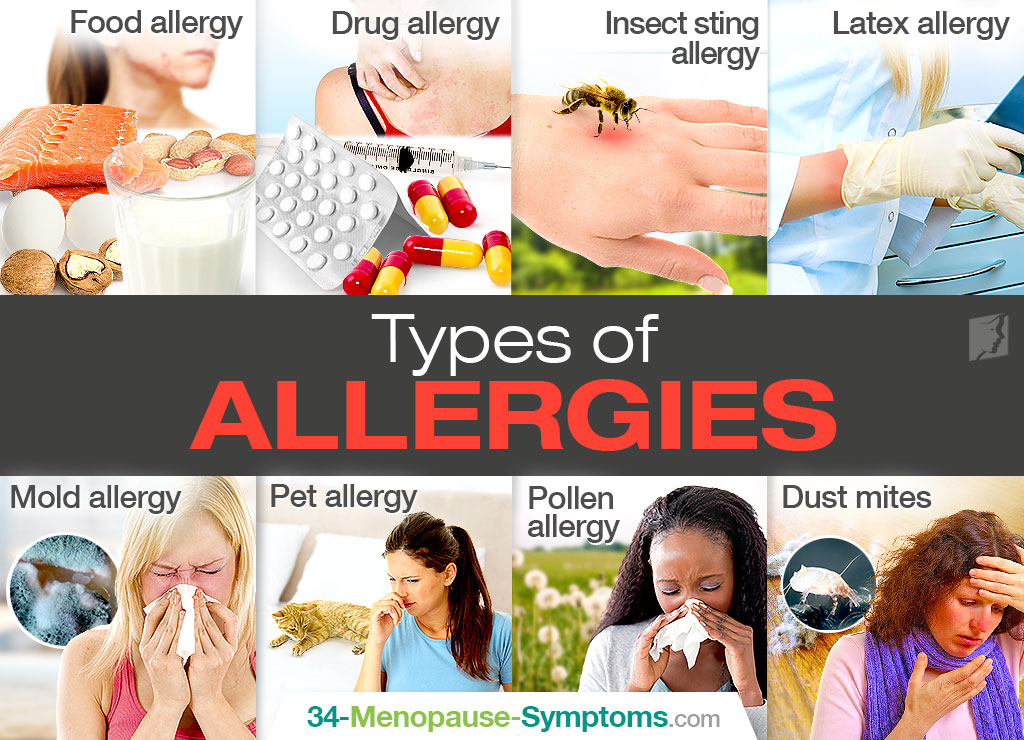
Employer-Sponsored Plans: Employer-sponsored health insurance plans also typically cover allergy-related services, but the extent of coverage depends on the specific plan’s benefits. Review your plan’s summary of benefits and coverage (SBC) carefully to understand your out-of-pocket costs for allergy testing, medication, and doctor visits. Many plans have formularies that dictate which medications are covered and at what cost.
:max_bytes(150000):strip_icc()/food-allergies-causes-and-risk-factors-4685818_FINAL-243a580ea8e14b51a8dd802ecb2326e3.jpg)
Medicare and Medicaid: Medicare and Medicaid also cover allergy-related services, but the specifics vary depending on the individual’s eligibility and the specific plan. Medicare beneficiaries should check their Part B coverage for details on allergy testing and treatment. Medicaid coverage varies by state, so it’s essential to check with your state’s Medicaid agency for specific information.
Maximizing Your Allergy Insurance Coverage
To maximize your health insurance coverage for allergies, consider the following:
- Choose an in-network provider: Selecting an allergist and other healthcare providers within your insurance plan’s network can significantly reduce your out-of-pocket costs. Out-of-network providers may charge significantly higher fees, and your insurance may not cover a substantial portion of the bill.
- Understand your plan’s benefits: Carefully review your plan’s summary of benefits and coverage (SBC) to understand your deductible, copay, coinsurance, and out-of-pocket maximum. This will help you anticipate your costs and budget accordingly.
- Utilize preventive care: Regular check-ups with your allergist can help prevent severe allergic reactions and reduce the need for more expensive treatments. Many plans cover preventive care at little to no cost.
- Generic medications: When possible, opt for generic versions of prescription allergy medications, as they are often significantly cheaper than brand-name drugs.
- Consider allergy immunotherapy: Allergy shots (immunotherapy) can be a long-term solution for managing allergies, potentially reducing your reliance on other medications. While the initial cost of immunotherapy can be high, it may be cost-effective in the long run.
- Appeal denied claims: If your insurance company denies a claim for allergy-related services, don’t hesitate to appeal the decision. Provide all necessary documentation to support your claim. www.waukeshahealthinsurance.com offers resources and guidance on appealing insurance claims.
Specific Allergy Considerations and Coverage
Certain allergy-related conditions and treatments warrant special attention regarding insurance coverage:
- Anaphylaxis: Emergency treatment for anaphylaxis, including epinephrine injections, is typically covered by most health insurance plans. However, the cost of the EpiPen itself may vary depending on your plan and whether you meet specific requirements for coverage.
- Food allergies: Health insurance typically covers medical management of food allergies, including allergy testing, medication, and emergency care. However, coverage for specialized dietary needs or the cost of avoiding allergenic foods is often limited.
- Environmental allergies: Coverage for treatments related to environmental allergies, such as pollen or pet dander, is generally covered under most plans, including medication and allergy testing. However, specific therapies, such as air purifiers, may not be covered.
Navigating the System: Seeking Professional Help
Navigating the complexities of health insurance and allergy management can be challenging. If you’re struggling to understand your coverage or need assistance with claims, consider seeking help from:
- Your insurance company: Contact your insurance provider’s customer service department for clarification on your plan’s benefits and coverage.
- A licensed insurance broker: An independent insurance broker can help you understand your options and find a plan that best meets your needs and budget. www.waukeshahealthinsurance.com can connect you with experienced brokers in your area.
- Patient advocacy groups: Several patient advocacy groups offer support and resources to individuals with allergies. These groups can provide information on insurance coverage and help you navigate the healthcare system.
In conclusion, understanding your health insurance coverage for allergies is essential for effective management of your condition. By carefully reviewing your plan’s benefits, selecting in-network providers, and utilizing available resources, you can minimize your out-of-pocket costs and ensure you receive the necessary care to manage your allergies effectively. Remember to proactively engage with your insurance provider and seek professional help when needed to navigate the complexities of insurance coverage. For more specific information tailored to your location and needs, visit www.waukeshahealthinsurance.com.