
Health Insurance for Mental Health Disorders: Finding the Right Plan-www.waukeshahealthinsurance.com-www.waukeshahealthinsurance.com
The cost of treatment, including therapy, medication, and hospitalization, can be substantial, making comprehensive health insurance crucial for those managing mental health disorders. Navigating the complexities of health insurance plans, particularly when seeking coverage for mental health, can be daunting. This article aims to guide you through the process of finding the right health insurance plan that adequately addresses your mental health needs.
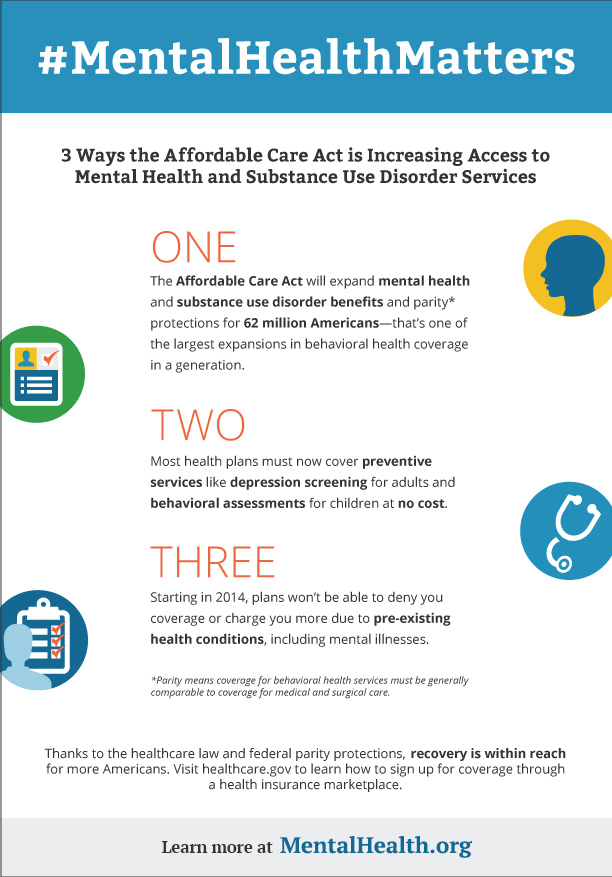
Understanding Your Mental Health Needs:
Before diving into the world of health insurance, it’s essential to understand your specific mental health requirements. Consider the following:
- Diagnosis: What is your diagnosis? Different plans may offer varying levels of coverage for specific disorders. Some plans may have better coverage for anxiety disorders than for severe mood disorders, for example.
- Treatment Preferences: Do you prefer therapy, medication, or a combination of both? Do you require inpatient or outpatient care? The type of treatment you need will significantly impact the coverage you require.
- Provider Network: Do you have a preferred therapist or psychiatrist? It’s crucial to check if your preferred providers are included in the insurance plan’s network. Out-of-network coverage is often significantly less generous.
- Medication Management: If you require medication, understand the plan’s formulary – the list of drugs it covers. Some plans may require pre-authorization for certain medications.
Types of Health Insurance Plans:
Several types of health insurance plans are available, each with varying levels of coverage for mental health services:

- HMO (Health Maintenance Organization): HMOs typically require you to choose a primary care physician (PCP) who will refer you to specialists, including mental health professionals. They usually offer lower premiums but have stricter network restrictions.
- PPO (Preferred Provider Organization): PPOs offer more flexibility. You can see specialists without a referral, and out-of-network coverage is typically available, although at a higher cost.
- EPO (Exclusive Provider Organization): EPOs are similar to HMOs but generally offer slightly more flexibility in choosing specialists within the network. Out-of-network coverage is typically not available.
- POS (Point of Service): POS plans combine elements of HMOs and PPOs, offering a balance between cost and flexibility.

Key Considerations When Choosing a Plan:
When selecting a health insurance plan for mental health, consider these critical factors:
- Mental Health Parity: The Mental Health Parity and Addiction Equity Act requires most group health plans to provide the same level of coverage for mental health and substance use disorder treatment as for medical and surgical benefits. However, it’s essential to verify that your chosen plan adheres to these regulations.
- Network Adequacy: Ensure the plan’s network includes a sufficient number of mental health professionals in your geographic area who accept the plan. Check provider directories online or by contacting the insurance company directly. You can also check with your preferred providers to see if they are in the network.
- Coverage Limits: Pay close attention to any limitations on the number of therapy sessions, medication refills, or days of inpatient care covered annually. Some plans may have lifetime or annual limits on mental health benefits.
- Deductibles, Co-pays, and Co-insurance: Understand the plan’s cost-sharing structure. The deductible is the amount you must pay out-of-pocket before the insurance company begins to cover expenses. Co-pays are fixed fees you pay at the time of service, while co-insurance is the percentage of costs you share after meeting your deductible.
- Out-of-Pocket Maximum: This is the maximum amount you will pay out-of-pocket for covered services in a plan year. Once you reach this limit, the insurance company covers 100% of the remaining costs.

Finding the Right Plan:
Several resources can help you find the right health insurance plan:
- Healthcare.gov: If you’re eligible for subsidized coverage through the Affordable Care Act (ACA), you can use Healthcare.gov to compare plans and enroll.
- Your Employer: If your employer offers health insurance, review the available plans carefully, paying close attention to mental health coverage details.
- State Insurance Marketplaces: Many states have their own insurance marketplaces where you can compare plans.
- Independent Insurance Brokers: Independent brokers can provide guidance and help you compare different plans based on your specific needs. They can be particularly helpful in navigating the complexities of insurance coverage for mental health.
Additional Tips:
- Read the Plan’s Summary of Benefits and Coverage (SBC): This document provides a clear overview of the plan’s benefits, including mental health coverage.
- Ask Questions: Don’t hesitate to contact insurance companies directly to ask questions about their plans’ mental health coverage.
- Advocate for Yourself: If you encounter difficulties accessing mental healthcare through your insurance plan, don’t be afraid to advocate for yourself. Contact the insurance company’s customer service department or file a complaint if necessary.
Finding local help in Waukesha County:
If you reside in Waukesha County, Wisconsin, and are looking for assistance finding the right health insurance plan, consider exploring resources available through local providers. Check out our website at www.waukeshahealthinsurance.com for more information and to connect with local insurance experts. They can help you navigate the complexities of choosing a plan that best suits your needs and budget. Our team at www.waukeshahealthinsurance.com is dedicated to helping you find comprehensive coverage for your mental health needs.
Conclusion:
Securing adequate health insurance for mental health disorders is a critical step in managing your well-being. By carefully considering your needs, understanding the different types of plans, and utilizing the available resources, you can find a plan that provides the coverage you need to access quality mental healthcare. Remember to thoroughly review plan details, ask questions, and advocate for yourself to ensure you receive the support you deserve. Don’t hesitate to seek assistance from local experts, especially if you live in Waukesha County, Wisconsin. Contact us at www.waukeshahealthinsurance.com to learn more about finding the right plan for your mental health needs. Taking proactive steps towards securing appropriate coverage is an investment in your long-term health and well-being. Visit www.waukeshahealthinsurance.com today to start your search for the perfect plan. Remember, prioritizing your mental health is crucial, and the right insurance plan can make a significant difference in your journey to wellness. Let the experts at www.waukeshahealthinsurance.com guide you through the process.