
Health Insurance 101: A Guide for Beginners-www.waukeshahealthinsurance.com-www.waukeshahealthinsurance.com
Terms like premiums, deductibles, and co-pays often leave individuals feeling overwhelmed and confused. This comprehensive guide aims to demystify health insurance, providing beginners with a solid foundation to understand and choose the right plan for their needs. For personalized assistance in Waukesha County, Wisconsin, consider exploring the options available at www.waukeshahealthinsurance.com.

What is Health Insurance?
Health insurance is a contract between you and an insurance company. In exchange for regular payments (premiums), the insurance company agrees to cover a portion of your medical expenses. This protection safeguards you from potentially crippling medical bills resulting from illness, injury, or unexpected health events. Without health insurance, even a minor health issue can lead to significant financial strain.
Key Terms You Need to Know:
Understanding the following terms is crucial to navigating the world of health insurance:
Premium: This is the monthly payment you make to your insurance company to maintain your coverage. The premium amount varies depending on several factors, including your age, location, health status, and the type of plan you choose.
Deductible: This is the amount of money you must pay out-of-pocket for covered healthcare services before your insurance company starts to pay. For example, a $5,000 deductible means you’ll pay the first $5,000 of your medical bills before your insurance kicks in.
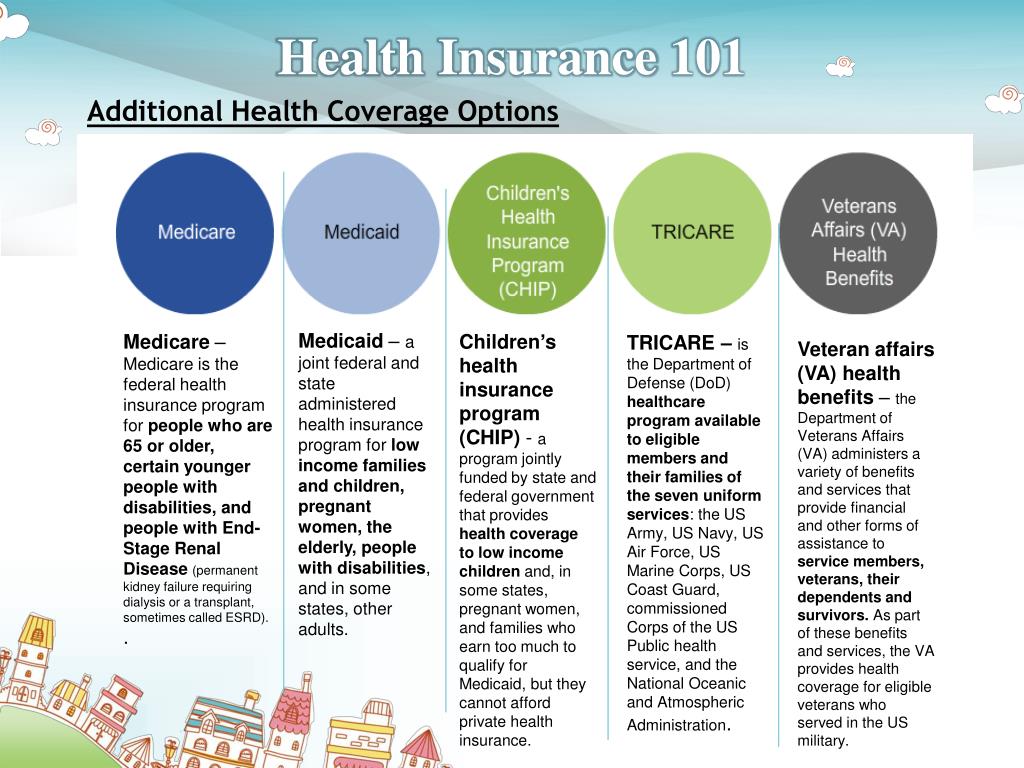
Co-pay: This is a fixed amount you pay for a covered healthcare service, such as a doctor’s visit, at the time of service. Co-pays are typically lower than the full cost of the service.

Coinsurance: After you’ve met your deductible, coinsurance is the percentage of the remaining costs you’re responsible for. For instance, an 80/20 coinsurance plan means your insurance company pays 80% of the costs, and you pay the remaining 20%.
Out-of-Pocket Maximum: This is the most you’ll pay out-of-pocket for covered services in a plan year. Once you reach your out-of-pocket maximum, your insurance company covers 100% of the costs for covered services.
Network: This refers to the group of doctors, hospitals, and other healthcare providers that your insurance company has contracted with. Using in-network providers typically results in lower costs than using out-of-network providers.
Pre-existing Condition: This is a health condition you had before enrolling in a health insurance plan. The Affordable Care Act (ACA) prohibits insurance companies from denying coverage or charging higher premiums based on pre-existing conditions.

Types of Health Insurance Plans:
Several types of health insurance plans are available, each with its own set of benefits and costs. The best plan for you will depend on your individual needs and budget. Some common types include:
Health Maintenance Organization (HMO): HMO plans typically require you to choose a primary care physician (PCP) who coordinates your care. You generally need a referral from your PCP to see specialists. HMO plans usually have lower premiums but more restrictive networks.
Preferred Provider Organization (PPO): PPO plans offer more flexibility than HMO plans. You don’t typically need a referral to see specialists, and you can see out-of-network providers, although it will cost more. PPO plans usually have higher premiums than HMO plans.
Point of Service (POS): POS plans combine features of both HMO and PPO plans. They usually require a PCP, but you may have the option to see out-of-network providers for a higher cost.
Exclusive Provider Organization (EPO): EPO plans are similar to HMOs, but they typically offer slightly more flexibility in choosing specialists. Seeing out-of-network providers is generally not covered.
High Deductible Health Plan (HDHP): HDHPs have high deductibles but lower premiums. They are often paired with a Health Savings Account (HSA), which allows you to save pre-tax money to pay for medical expenses.
Choosing the Right Health Insurance Plan:
Selecting the right health insurance plan can be a daunting task. Consider the following factors:
Your budget: Evaluate your monthly budget and determine how much you can comfortably afford to pay in premiums.
Your health needs: Consider your current health status and anticipated healthcare needs. If you anticipate needing frequent medical care, a plan with a lower deductible might be more suitable.
Your healthcare providers: Check if your preferred doctors and hospitals are in the plan’s network.
Your prescription drug needs: Review the plan’s formulary (list of covered medications) to ensure your medications are covered.
For detailed information and personalized guidance on choosing a health insurance plan in Waukesha, Wisconsin, visit www.waukeshahealthinsurance.com. They can help you navigate the complexities of health insurance and find a plan that meets your specific requirements.
The Affordable Care Act (ACA):
The ACA, also known as Obamacare, significantly impacted the health insurance landscape. It expanded access to health insurance by prohibiting insurance companies from denying coverage based on pre-existing conditions and establishing health insurance marketplaces (exchanges) where individuals and families can compare and purchase plans. The ACA also provides subsidies to help individuals and families afford coverage.
Understanding Your Policy:
Once you’ve chosen a health insurance plan, it’s crucial to thoroughly understand your policy. Review your plan’s summary of benefits and coverage (SBC) to understand what’s covered, what’s not, and your cost-sharing responsibilities. Don’t hesitate to contact your insurance company or a qualified insurance agent if you have any questions.
Maintaining Your Health Insurance:
Maintaining your health insurance is essential to ensure continuous coverage. Pay your premiums on time to avoid lapses in coverage. Notify your insurance company of any changes in your address, employment status, or family composition.
Conclusion:
Understanding health insurance is crucial for protecting your financial well-being. By understanding key terms, comparing different plan types, and considering your individual needs, you can make an informed decision and choose the right plan for you. Remember to utilize resources like www.waukeshahealthinsurance.com for personalized assistance in finding the best health insurance options in your area. Taking the time to learn about health insurance can save you significant stress and financial burden in the long run. Don’t hesitate to seek professional guidance if needed – it’s an investment in your health and financial security.