
Understanding the Different Types of Health Insurance Plans-www.waukeshahealthinsurance.com-www.waukeshahealthinsurance.com
With a multitude of options, varying coverage levels, and confusing terminology, it’s easy to feel overwhelmed. Understanding the different types of plans available is crucial to making an informed decision that best suits your individual needs and budget. This comprehensive guide will break down the key types of health insurance plans, helping you make sense of the choices and find the best fit for you and your family. Remember, consulting with an insurance professional or using online resources like www.waukeshahealthinsurance.com can provide personalized guidance.
The Basics: Key Terminology
Before diving into the different plan types, let’s define some essential terms:
- Premium: The monthly payment you make to maintain your health insurance coverage.
- Deductible: The amount you must pay out-of-pocket for covered healthcare services before your insurance begins to pay.
- Copay: A fixed amount you pay for a covered healthcare service, such as a doctor’s visit.
- Coinsurance: Your share of the costs of a covered healthcare service, calculated as a percentage (e.g., 20%) after you’ve met your deductible.
- Out-of-Pocket Maximum: The most you will pay out-of-pocket for covered healthcare services in a plan year. Once you reach this limit, your insurance company covers 100% of the costs.
- Network: The group of doctors, hospitals, and other healthcare providers that your insurance plan contracts with to provide services at negotiated rates. Using in-network providers generally results in lower costs.

Major Types of Health Insurance Plans:
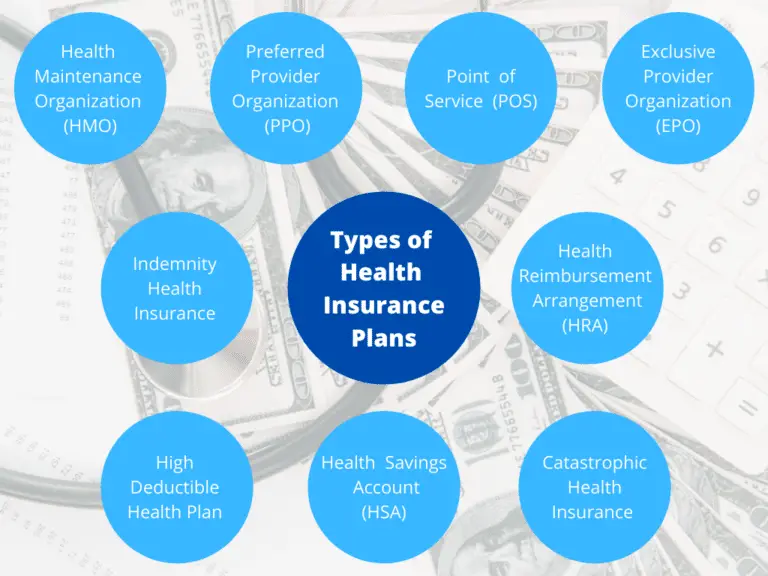
Several key types of health insurance plans exist, each with its own structure and cost-sharing mechanisms. Understanding these differences is vital for choosing a plan that aligns with your healthcare needs and financial capabilities.
1. Health Maintenance Organization (HMO):
HMO plans typically offer lower premiums but require you to choose a primary care physician (PCP) within the plan’s network. Your PCP acts as a gatekeeper, referring you to specialists within the network if needed. Seeing out-of-network providers usually isn’t covered, except in emergencies. HMOs often emphasize preventative care and encourage regular check-ups. For individuals who prefer a managed care approach and prioritize lower premiums, an HMO can be a suitable choice. For more information on HMO plans and their suitability for your needs, you might find it beneficial to consult resources such as www.waukeshahealthinsurance.com.
2. Preferred Provider Organization (PPO):
PPO plans offer more flexibility than HMOs. You can generally see any doctor or specialist, in-network or out-of-network, without a referral. However, seeing in-network providers will result in significantly lower costs. PPOs typically have higher premiums than HMOs but offer greater choice and convenience. If you value flexibility and don’t mind paying higher premiums for the option to see any provider, a PPO might be a better fit. Understanding the nuances of PPO plans can be simplified by exploring resources like www.waukeshahealthinsurance.com.
3. Point of Service (POS):
POS plans combine elements of both HMOs and PPOs. Like HMOs, they require you to choose a PCP within the network. However, they also allow you to see out-of-network providers, but at a higher cost. POS plans offer a balance between cost and flexibility, but the complexity of their structure requires careful consideration. For a detailed understanding of POS plans and their implications, consider consulting expert resources like www.waukeshahealthinsurance.com.
4. Exclusive Provider Organization (EPO):
EPO plans are similar to HMOs in that they require you to choose a PCP and primarily use in-network providers. However, unlike HMOs, EPOs generally don’t cover out-of-network care, except in emergency situations. EPOs tend to offer lower premiums than PPOs but less flexibility than PPOs or POS plans. To understand the specific details and limitations of EPO plans, resources such as www.waukeshahealthinsurance.com can provide valuable insights.

5. High Deductible Health Plan (HDHP):
HDHPs feature high deductibles and low premiums. They are often paired with a Health Savings Account (HSA), allowing you to contribute pre-tax dollars to pay for eligible medical expenses. HSAs offer tax advantages and can be a valuable tool for long-term healthcare savings. HDHPs are best suited for individuals who are healthy, have a high tolerance for risk, and can afford to save for potential healthcare costs. For a thorough understanding of HDHPs and HSAs, you may find it helpful to consult resources like www.waukeshahealthinsurance.com.
6. Catastrophic Plans:
Catastrophic plans are designed for young adults and others who meet specific requirements. They have very high deductibles and low premiums, but they cover catastrophic illnesses and injuries. These plans are not suitable for individuals with pre-existing conditions or those who anticipate frequent healthcare needs. For a comprehensive understanding of the limitations and eligibility criteria for catastrophic plans, refer to resources such as www.waukeshahealthinsurance.com.
7. Medicare and Medicaid:
Medicare is a federal health insurance program for individuals aged 65 and older and certain younger people with disabilities. Medicaid is a joint state and federal program providing healthcare coverage to low-income individuals and families. Both programs have their own eligibility requirements and benefit structures. For detailed information on Medicare and Medicaid, you should consult official government websites and resources.
Choosing the Right Plan:
Selecting the right health insurance plan depends on several factors, including:
- Your budget: Consider your monthly premium payments and your ability to meet your deductible and out-of-pocket maximum.
- Your health status: If you have pre-existing conditions or anticipate frequent healthcare needs, a plan with lower out-of-pocket costs might be preferable.
- Your healthcare preferences: Consider your willingness to choose a PCP and use in-network providers.
- Your family’s needs: If you have a family, consider plans that offer comprehensive coverage for everyone.
By carefully considering these factors and utilizing resources like www.waukeshahealthinsurance.com, you can make an informed decision and choose a health insurance plan that provides the right balance of coverage, cost, and flexibility for your individual circumstances. Remember to compare plans from different insurers and read the fine print carefully before making your final choice. Don’t hesitate to seek professional advice to ensure you’re making the best decision for your healthcare needs.