
How to Combine Health Insurance with Other Financial Benefits-www.waukeshahealthinsurance.com
Table of Content
How to Combine Health Insurance with Other Financial Benefits

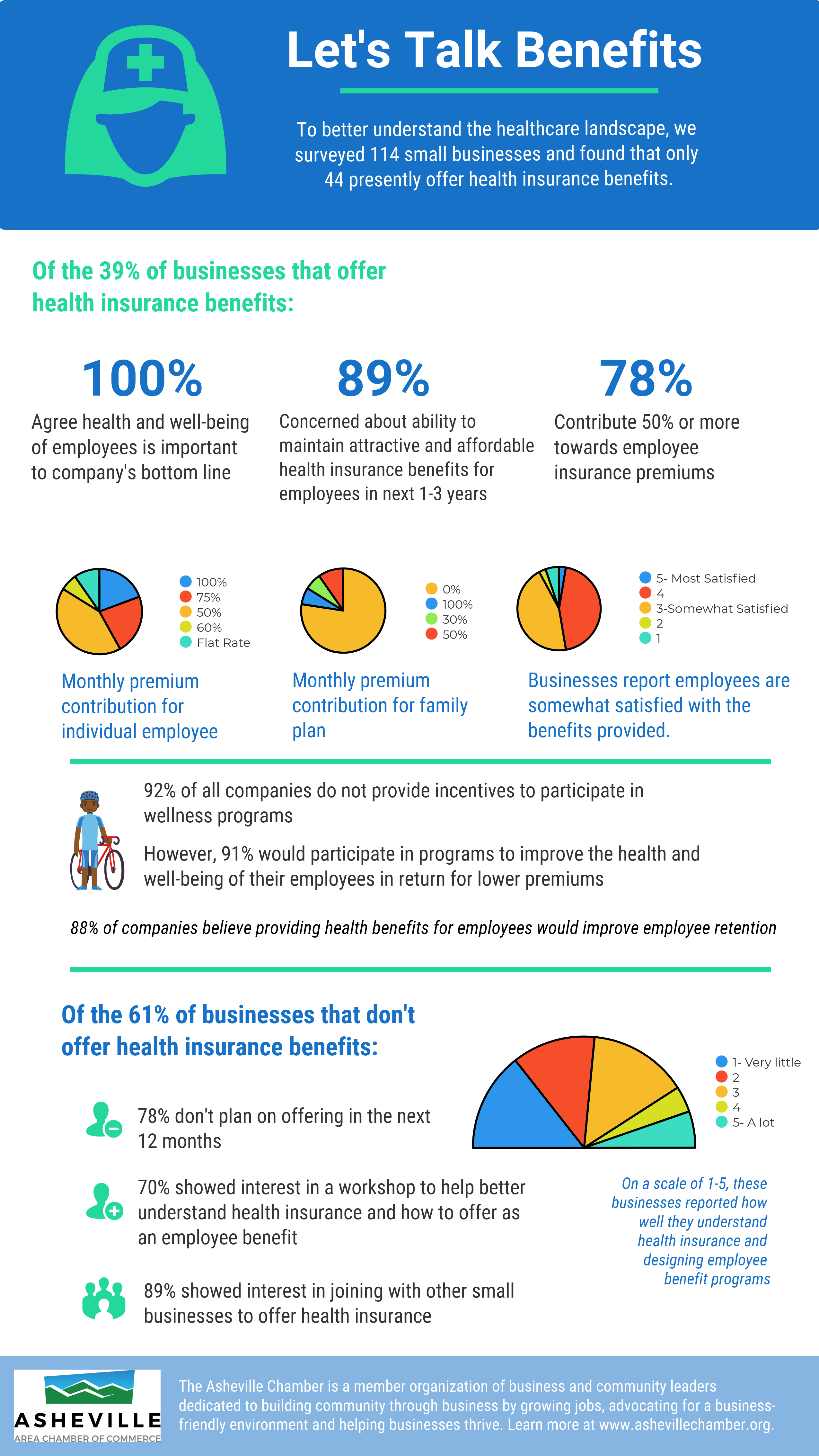
Navigating the complex world of healthcare financing can feel overwhelming. The cost of medical care continues to rise, making comprehensive health insurance a necessity, not a luxury. However, securing the right health insurance is only half the battle. Smart financial planning involves leveraging your insurance coverage to maximize its benefits and combine it with other financial tools to create a robust and secure financial future. This article explores strategies for combining health insurance with other financial benefits, focusing on maximizing your coverage and minimizing out-of-pocket expenses.
Understanding Your Health Insurance Policy:
Before exploring how to combine health insurance with other financial benefits, it’s crucial to thoroughly understand your specific policy. This includes:
- Deductible: The amount you must pay out-of-pocket before your insurance coverage kicks in.
- Copay: A fixed amount you pay for a doctor’s visit or other services.
- Coinsurance: Your share of the costs of covered healthcare services after you’ve met your deductible.
- Out-of-pocket maximum: The most you’ll pay out-of-pocket during a policy year. Once you reach this limit, your insurance company covers 100% of covered services.
- Network: The list of doctors, hospitals, and other healthcare providers your insurance plan covers. Using in-network providers generally results in lower costs.
- Prescription drug coverage: Understanding your formulary (list of covered medications) and tiers (cost-sharing levels) is vital for managing medication expenses.
If you’re unsure about any aspect of your policy, contact your insurance provider or consult a qualified insurance broker. Finding the right plan for your needs is paramount, and resources like those available at www.waukeshahealthinsurance.com can be invaluable in this process.
Combining Health Insurance with Other Financial Benefits:
Several strategies can help you combine your health insurance with other financial tools to enhance your financial well-being:
1. Health Savings Accounts (HSAs): HSAs are tax-advantaged savings accounts available to individuals enrolled in high-deductible health plans (HDHPs). Contributions are tax-deductible, grow tax-free, and withdrawals are tax-free when used for qualified medical expenses. HSAs offer a powerful way to save for future healthcare costs while reducing your current tax burden. They can be a particularly effective strategy for long-term healthcare planning. Learn more about the benefits of HSAs and how they can complement your health insurance by exploring resources available online or consulting a financial advisor.
2. Flexible Spending Accounts (FSAs): FSAs are employer-sponsored accounts that allow you to set aside pre-tax dollars to pay for eligible healthcare expenses. Unlike HSAs, FSA funds typically expire at the end of the plan year, so careful budgeting is essential. However, FSAs can be a valuable tool for covering immediate healthcare costs, especially for those with predictable healthcare needs.
3. Health Reimbursement Arrangements (HRAs): HRAs are employer-funded accounts that reimburse employees for eligible medical expenses. Unlike FSAs, HRAs are not subject to annual contribution limits and funds typically roll over from year to year. HRAs can be a significant benefit for employees, particularly those working for companies that offer them.
4. Tax Credits and Subsidies: The Affordable Care Act (ACA) provides tax credits and subsidies to individuals and families who qualify based on income. These credits can significantly reduce the cost of health insurance premiums, making coverage more affordable for many. Determining your eligibility for these credits is a crucial step in accessing affordable healthcare. www.waukeshahealthinsurance.com can offer guidance on navigating the complexities of ACA subsidies.
5. Long-Term Care Insurance: As we age, the risk of needing long-term care increases. Long-term care insurance can help cover the substantial costs associated with nursing homes, assisted living facilities, or in-home care. While not directly related to your current health insurance, it’s a vital component of comprehensive financial planning for healthcare, ensuring you’re protected against potentially catastrophic long-term care expenses.
6. Disability Insurance: Disability insurance provides income replacement in the event of an illness or injury that prevents you from working. This can be crucial for maintaining financial stability during periods of prolonged illness, ensuring you can continue to afford healthcare expenses and other living costs. Combining disability insurance with comprehensive health insurance creates a robust safety net against unexpected events.

7. Life Insurance: Life insurance can provide financial security for your loved ones in the event of your death. This can be particularly important if you have dependents or significant debts, ensuring they can continue to afford healthcare and other essential expenses. While not directly related to your current healthcare needs, it’s a vital part of a comprehensive financial plan that protects your family’s future.
8. Budgeting and Financial Planning: Effective budgeting is crucial for managing healthcare costs. Tracking your healthcare spending, creating a realistic budget, and prioritizing essential expenses can help you stay on top of your finances. Consider consulting a financial advisor to develop a personalized financial plan that incorporates your health insurance and other financial goals.
9. Negotiating Medical Bills: Don’t hesitate to negotiate medical bills. Many healthcare providers are willing to work with patients to create payment plans or reduce outstanding balances. Understanding your insurance coverage and the billing process can empower you to advocate for yourself and potentially reduce your out-of-pocket expenses.
10. Utilizing Employer Benefits: Many employers offer additional health-related benefits beyond basic health insurance, such as wellness programs, employee assistance programs (EAPs), and on-site health clinics. Taking advantage of these resources can further enhance your health and well-being while potentially reducing healthcare costs.
Finding the Right Health Insurance:
Choosing the right health insurance plan is a crucial step in combining it with other financial benefits. Consider factors like your health needs, budget, and preferred healthcare providers. www.waukeshahealthinsurance.com provides resources to help you navigate the complexities of health insurance selection and find a plan that best suits your individual circumstances. Remember to compare plans carefully, considering premiums, deductibles, copays, and out-of-pocket maximums.
Conclusion:
Combining health insurance with other financial benefits requires careful planning and understanding of your options. By leveraging HSAs, FSAs, HRAs, tax credits, and other financial tools, you can create a robust financial strategy that protects you and your family from the unpredictable costs of healthcare. Remember to regularly review your financial plan and adjust it as your needs and circumstances change. Seeking professional advice from a financial advisor or insurance broker can provide invaluable support in navigating this complex landscape and ensuring you have the right coverage and financial tools in place to secure your future. Don’t hesitate to explore the resources available at www.waukeshahealthinsurance.com to begin your journey towards comprehensive healthcare financial planning.