
How to Understand Health Insurance Networks-www.waukeshahealthinsurance.com-www.waukeshahealthinsurance.com
One of the most confusing aspects is understanding health insurance networks. These networks are essentially the group of doctors, hospitals, and other healthcare providers your insurance company has contracted with to provide services at a negotiated rate. Understanding your network is crucial for managing costs and ensuring you receive the best possible care. This article will guide you through the intricacies of health insurance networks, helping you make informed decisions about your healthcare coverage.

What is a Health Insurance Network?
A health insurance network is a pre-selected group of healthcare providers who have agreed to provide services to members of a specific insurance plan at discounted rates. These networks vary widely in size and scope, ranging from small, localized networks to large, nationwide networks. The size and type of network often influence the premium you pay – larger networks generally offer more choices but may come with higher premiums. Smaller, more focused networks may offer lower premiums but limit your choices of providers.
Your insurance plan will specify which network you belong to, often referred to as an HMO (Health Maintenance Organization), PPO (Preferred Provider Organization), or POS (Point of Service) plan. Each plan type has a different relationship with its network. Understanding these differences is key to utilizing your insurance effectively. For more detailed information on the various plan types, you can consult resources like those available at www.waukeshahealthinsurance.com.
Types of Health Insurance Networks:
HMO (Health Maintenance Organization): HMO plans typically require you to choose a primary care physician (PCP) within the network. Your PCP acts as a gatekeeper, referring you to specialists within the network if needed. Generally, services outside the network are not covered, except in emergencies.
PPO (Preferred Provider Organization): PPO plans offer more flexibility. You can see any doctor or specialist, in-network or out-of-network, but you’ll pay significantly less if you stay within the network. Out-of-network services are covered, but at a much higher cost to you.
POS (Point of Service): POS plans combine elements of HMO and PPO plans. They typically require a PCP within the network, but they allow you to see out-of-network providers for a higher cost.

Why is Understanding Your Network Important?
Understanding your health insurance network is crucial for several reasons:
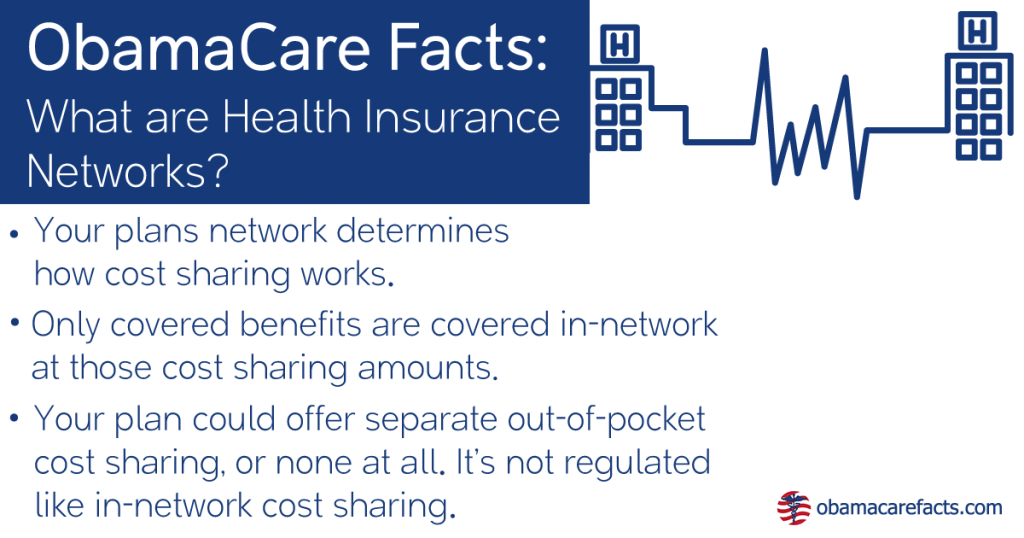
Cost Savings: In-network care is significantly cheaper than out-of-network care. Using in-network providers helps you avoid unexpected high bills. You can find detailed information on cost-sharing and in-network benefits on your insurance plan’s summary of benefits and coverage (SBC). www.waukeshahealthinsurance.com can provide additional resources to help you understand your plan’s specific details.

Access to Care: Knowing your network ensures you can easily access healthcare services. You can use your insurance company’s online tools or call their member services to find in-network providers near you. Many insurance companies, like those serving the Waukesha area, offer online provider directories. Check your insurer’s website or contact them directly for assistance.
Avoiding Unexpected Bills: Using out-of-network providers can lead to unexpectedly high medical bills. Understanding your network helps you avoid these surprises and budget effectively for your healthcare expenses. A detailed explanation of your plan’s out-of-network coverage is crucial for financial planning. You can usually find this information in your plan documents or by contacting your insurance provider.
Streamlined Claims Process: Claims for in-network services are typically processed more smoothly and quickly than out-of-network claims. This simplifies the administrative burden associated with healthcare.
How to Find Your Network Providers:
Most insurance companies provide several ways to find in-network providers:
Online Provider Directories: Your insurance company’s website will usually have a searchable online directory of in-network doctors, hospitals, and other healthcare providers. This is often the most convenient way to find providers in your area.
Mobile Apps: Many insurance companies offer mobile apps that allow you to search for in-network providers, view your claims, and manage your benefits.
Member Services Phone Number: You can always call your insurance company’s member services number to ask for assistance finding in-network providers.
Plan Documents: Your insurance plan documents, including your Summary of Benefits and Coverage (SBC), will usually list the network’s name and provide contact information for finding participating providers.
What to Do if You Need Out-of-Network Care:
While staying within your network is generally recommended, there may be circumstances where you need to see an out-of-network provider. In such cases:
Check your plan’s out-of-network coverage: Understand what your plan covers for out-of-network services and what your cost-sharing responsibilities will be.
Get pre-authorization: For certain procedures or services, you may need to obtain pre-authorization from your insurance company before seeing an out-of-network provider.
Negotiate payment: You can attempt to negotiate payment with the out-of-network provider to reduce your costs.
Consider appealing a claim: If you believe your claim was denied unfairly, you can file an appeal with your insurance company.
Finding Reliable Information:
Reliable information about your health insurance network is crucial. Always refer to your insurance plan documents, your insurance company’s website, and your insurance company’s member services for accurate information. Be wary of unofficial sources that may provide inaccurate or misleading information. For those seeking health insurance in the Waukesha, Wisconsin area, www.waukeshahealthinsurance.com can be a valuable resource for finding reliable information and comparing plans.
Conclusion:
Understanding your health insurance network is essential for managing your healthcare costs and accessing quality care. By taking the time to learn about your network, you can make informed decisions about your healthcare and avoid unexpected financial burdens. Remember to utilize the resources provided by your insurance company, including online directories, mobile apps, and member services, to find in-network providers and manage your healthcare effectively. Don’t hesitate to reach out to your insurance provider if you have any questions or need clarification on your plan’s network details. Proactive engagement with your insurance plan will empower you to navigate the healthcare system with confidence and control.