
How Health Insurance Supports Your Post-Surgery Recovery-www.waukeshahealthinsurance.com-www.waukeshahealthinsurance.com
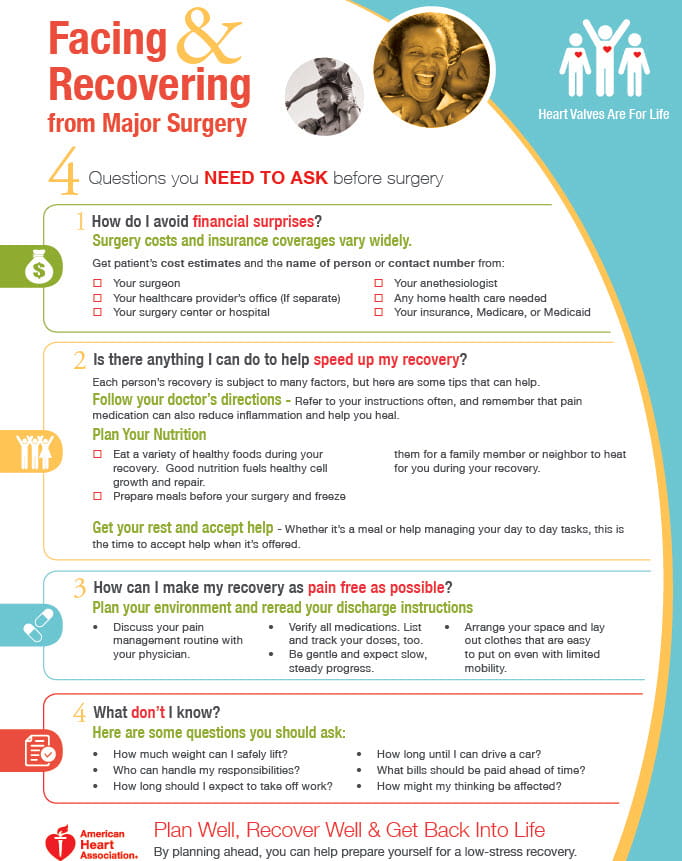
Many policies require pre-authorization for certain procedures, a step that helps ensure coverage and avoid unexpected out-of-pocket expenses. Contacting your insurance provider before scheduling surgery is crucial. This allows you to understand your policy’s specifics, including deductibles, co-pays, and out-of-network coverage. Understanding these details beforehand prevents financial surprises and allows for better budgeting. It’s also important to confirm whether your chosen surgeon and hospital are in-network to maximize your benefits. If you’re unsure about navigating this process, consider consulting with a healthcare professional or an insurance specialist. Find a local expert who can help you understand your coverage.
During Surgery: Coverage of Essential Costs
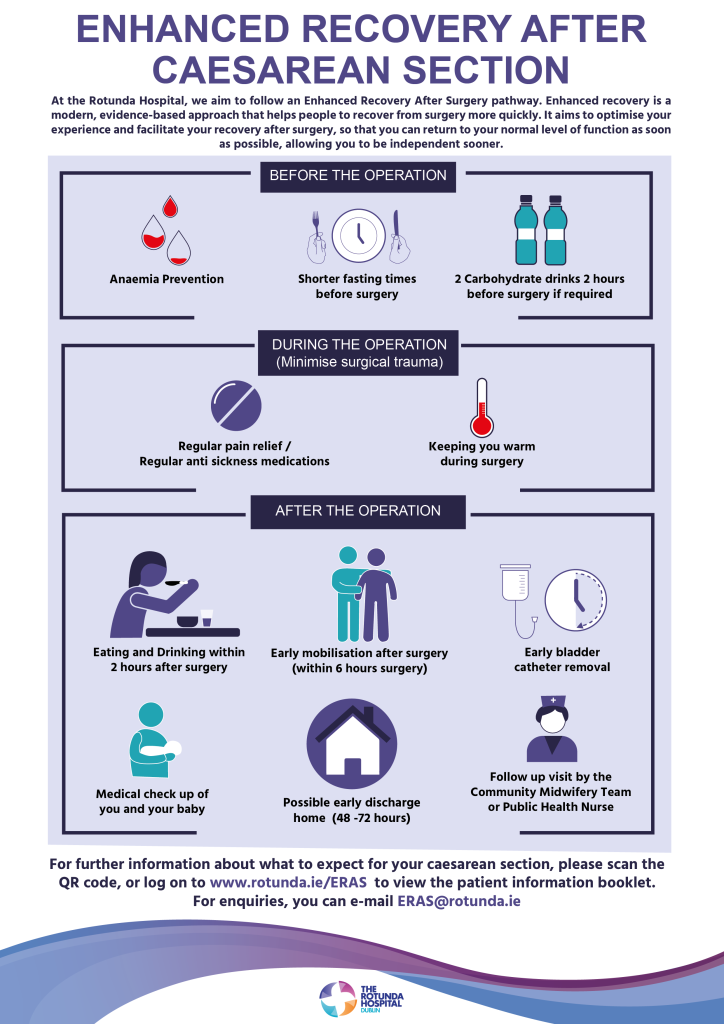
The actual surgery itself is a major expense, and your health insurance is designed to cover a significant portion of these costs. This includes the surgeon’s fees, anesthesiologist fees, hospital charges (including room and board), and the cost of medical supplies and equipment used during the procedure. However, the extent of coverage will depend on your specific plan and the nature of the surgery. Some plans may require higher co-pays or deductibles for certain procedures. It’s essential to review your policy documents or contact your insurance provider directly to understand your specific responsibilities.
Post-Surgery Care: A Comprehensive Support System
Post-surgical recovery is often a multi-faceted process, requiring various forms of care and support. Health insurance plays a critical role in ensuring access to these essential services. This includes:
Hospital Stays: If a hospital stay is necessary after surgery, your health insurance will cover a significant portion of the costs, including room and board, nursing care, and medication administered during your stay. The length of stay covered will depend on medical necessity and your insurance plan.
Rehabilitation Services: Many surgeries require physical therapy, occupational therapy, or speech therapy to aid in recovery. Health insurance often covers these services, helping patients regain strength, mobility, and functional abilities. The number of sessions covered will vary depending on your plan and the recommendations of your healthcare providers. Check your policy for details on covered rehabilitation services.
Prescription Medications: Post-surgical recovery often involves medication for pain management, infection prevention, and other complications. Your health insurance will typically cover prescription drugs, although co-pays and formularies may apply. Understanding your prescription drug coverage is crucial to managing post-surgical medication costs.

Follow-up Appointments: Regular check-ups with your surgeon and other healthcare professionals are vital for monitoring your recovery and addressing any potential complications. Health insurance covers these follow-up appointments, ensuring you receive the necessary ongoing care.
Home Healthcare: In some cases, patients may require home healthcare services after surgery, such as wound care, medication administration, or physical therapy in the comfort of their home. Health insurance often covers these services, promoting faster and more comfortable recovery. Inquire about home healthcare coverage with your insurance provider.
Durable Medical Equipment (DME): Post-surgery, you may require DME such as crutches, walkers, wheelchairs, or other assistive devices. Health insurance often covers the rental or purchase of this equipment, making recovery more manageable.

Managing Unexpected Complications:
Surgery, even when successful, can sometimes lead to unexpected complications. Health insurance provides crucial protection against these unforeseen circumstances. If you experience complications requiring additional medical care, hospitalization, or extended rehabilitation, your insurance will help cover the associated costs, preventing you from shouldering the burden alone. Understanding your policy’s coverage for complications is vital for peace of mind.
Mental Health Support:
The recovery process can be emotionally challenging. Stress, anxiety, and depression are common experiences following surgery. Many health insurance plans now offer coverage for mental health services, including therapy and counseling, which can be invaluable in navigating the emotional aspects of recovery. Don’t hesitate to utilize these benefits if you need support.
Financial Planning and Assistance:
Even with health insurance, post-surgical costs can be significant. Understanding your out-of-pocket expenses, such as deductibles, co-pays, and co-insurance, is crucial for financial planning. Many insurance providers offer resources and tools to help you manage your costs, including payment plans and financial assistance programs. Explore the financial assistance options offered by your insurance provider. It’s also wise to explore options such as health savings accounts (HSAs) or flexible spending accounts (FSAs) to help manage healthcare costs.
Choosing the Right Health Insurance Plan:
Selecting a comprehensive health insurance plan is a crucial step in preparing for potential surgeries and ensuring adequate post-surgical support. Consider factors such as the plan’s network of providers, coverage for specific procedures, and out-of-pocket expenses. Compare different health insurance plans available in your area to find the best fit for your needs and budget. Understanding the nuances of different plans is essential to making an informed decision.
Conclusion:
Post-surgical recovery is a journey that requires comprehensive support, both physically and financially. Health insurance acts as a crucial safety net, mitigating the financial burden and facilitating access to essential medical services. By understanding your policy’s benefits, proactively engaging with your insurance provider, and utilizing available resources, you can focus on your recovery and return to a healthy life with greater peace of mind. Remember, proactive planning and a clear understanding of your coverage are key to navigating the post-surgical recovery process successfully. Don’t hesitate to reach out to your insurance provider or a healthcare professional if you have any questions or concerns. Contact us today to learn more about our comprehensive health insurance plans.