
Health Insurance for Low-Income Families: Finding Affordable Plans-www.waukeshahealthinsurance.com-www.waukeshahealthinsurance.com
The cost of healthcare is constantly rising, and without adequate insurance, a single unexpected illness or injury can lead to devastating financial consequences. Fortunately, several programs and options exist to help low-income families access affordable health coverage. This article explores the various avenues available, providing a comprehensive guide to finding the right plan for your family’s needs.

Understanding the Landscape of Affordable Healthcare
The Affordable Care Act (ACA), also known as Obamacare, significantly expanded access to health insurance for millions of Americans, including many low-income families. The ACA created health insurance marketplaces, or exchanges, where individuals and families can compare and purchase plans based on their income and needs. These marketplaces offer a range of plans with varying levels of coverage and premiums.
Key Programs for Low-Income Families:
Several government programs are specifically designed to assist low-income families in obtaining health insurance:
Medicaid: Medicaid is a joint federal and state program that provides healthcare coverage to low-income individuals and families, children, pregnant women, seniors, and people with disabilities. Eligibility requirements vary by state, but generally, income must fall below a certain threshold. Medicaid offers comprehensive coverage, often including doctor visits, hospital stays, prescription drugs, and mental healthcare. To determine your eligibility and apply for Medicaid, you should contact your state’s Medicaid agency.
Children’s Health Insurance Program (CHIP): CHIP provides low-cost health coverage to children in families who earn too much to qualify for Medicaid but cannot afford private insurance. Like Medicaid, eligibility requirements vary by state, but CHIP generally covers children up to age 19. The application process is similar to Medicaid, involving contacting your state’s CHIP agency.

Affordable Care Act (ACA) Marketplaces: Even if you don’t qualify for Medicaid or CHIP, you may still be eligible for subsidized health insurance through the ACA marketplaces. These marketplaces offer tax credits and cost-sharing reductions to lower the cost of premiums and out-of-pocket expenses for those who meet certain income requirements. You can explore your options and find plans through the HealthCare.gov website. Navigating the marketplace can be complex, so consider seeking assistance from a navigator or enrollment assister.
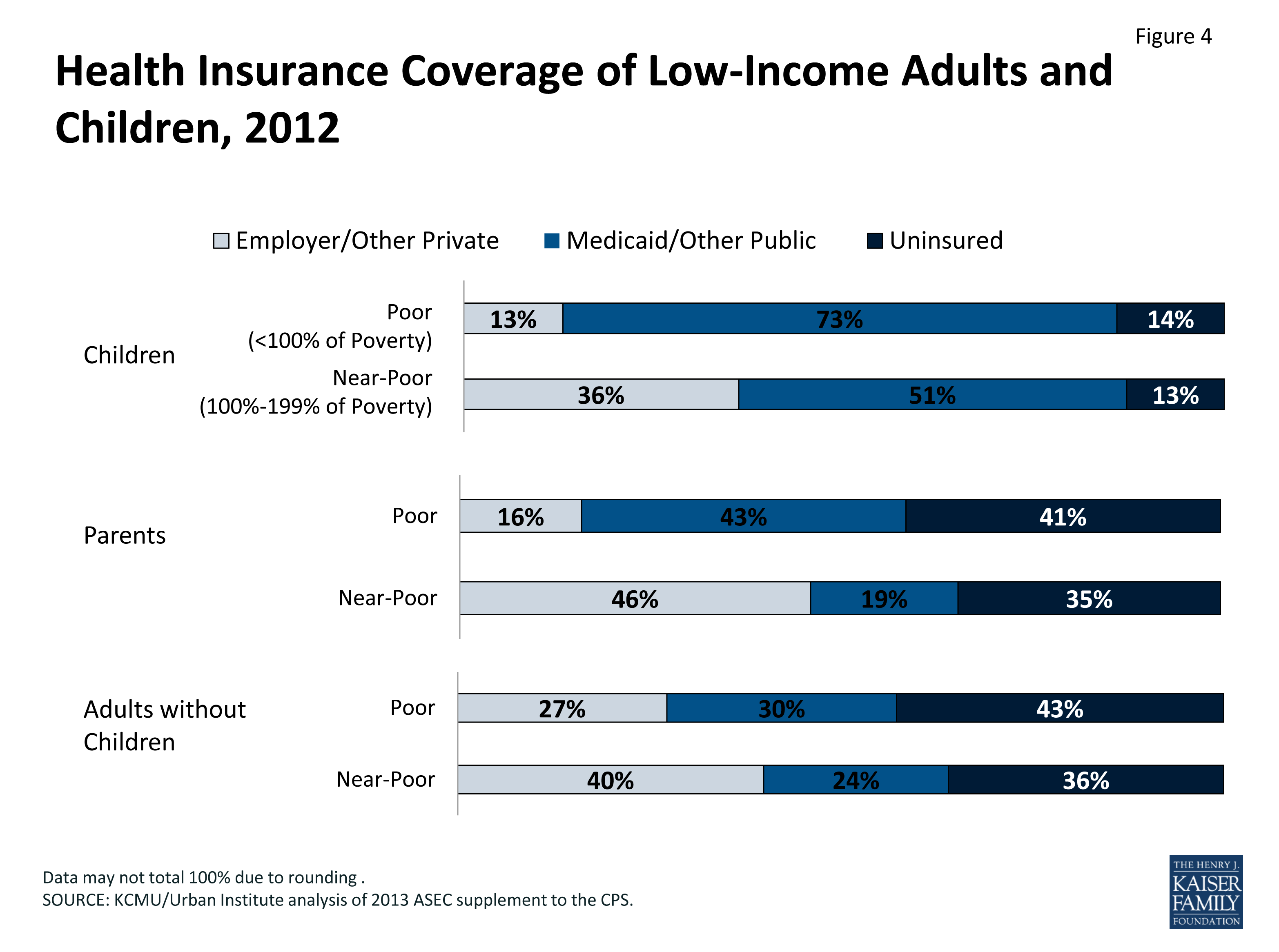
Employer-Sponsored Insurance: If a family member works for an employer that offers health insurance, it’s crucial to explore this option. Even if the employer’s contribution isn’t enough to cover the entire premium, the employee contribution might be more affordable than purchasing a plan on the marketplace. Remember to carefully review the plan’s coverage details to ensure it meets your family’s needs.
Finding Affordable Plans: A Step-by-Step Guide
Determine Eligibility: The first step is to determine your eligibility for Medicaid, CHIP, or ACA subsidies. You can use online tools provided by your state’s healthcare agencies or the HealthCare.gov website to estimate your eligibility. Accurate income information is crucial for this process.
Compare Plans: Once you’ve determined your eligibility and potential programs, it’s time to compare available plans. Pay close attention to the following factors:
- Premium: The monthly cost of the insurance plan.
- Deductible: The amount you must pay out-of-pocket before your insurance coverage kicks in.
- Copay: The fixed amount you pay for a doctor’s visit or other healthcare services.
- Coinsurance: The percentage of the cost you pay after meeting your deductible.
- Out-of-pocket maximum: The maximum amount you’ll pay out-of-pocket for covered healthcare services in a year.
- Network of doctors and hospitals: Ensure the plan includes providers you need and are comfortable with.
Seek Assistance: Navigating the healthcare marketplace can be confusing. Don’t hesitate to seek assistance from:
- Navigators and enrollment assisters: These individuals are trained to help you understand your options and enroll in a plan. They are often available through community organizations and healthcare providers.
- Healthcare providers: Your doctor’s office or clinic may offer assistance with navigating insurance options.
- State healthcare agencies: Your state’s Medicaid or CHIP agency can provide information and support.
Consider Additional Resources: Several organizations offer assistance to low-income families seeking affordable healthcare. These may include local charities, faith-based organizations, and non-profit healthcare providers.

Specific Considerations for Low-Income Families:
Preventive Care: Many plans offer preventive care services at no cost, including vaccinations, annual check-ups, and screenings. Taking advantage of these services can help prevent more expensive health problems down the line.
Prescription Drugs: The cost of prescription drugs can be significant. Explore options like generic medications, prescription drug assistance programs, and negotiating lower prices with your pharmacy.
Dental and Vision Care: Medicaid and CHIP often cover some dental and vision services. If your plan doesn’t, explore options like community health clinics that offer affordable care.
Mental Health Services: Access to mental healthcare is crucial. Ensure your plan covers mental health services and that you understand the coverage details.
Finding a Local Resource: An Example
While this article provides a general overview, finding specific, local resources is essential. For instance, if you reside in the Waukesha, Wisconsin area, you might want to explore options available through local providers. You can search online for "affordable health insurance Waukesha" or visit a website like www.waukeshahealthinsurance.com (replace with actual relevant link if available) to find local insurance brokers and compare plans offered in your region. Remember to always verify the legitimacy and trustworthiness of any resource before sharing personal information.
Conclusion:
Securing affordable health insurance for low-income families is a critical step in ensuring their well-being. By understanding the available programs, carefully comparing plans, and seeking assistance when needed, families can navigate the complexities of the healthcare system and access the coverage they deserve. Remember to utilize the resources mentioned above and don’t hesitate to reach out for help. Taking proactive steps towards securing affordable health insurance can significantly improve the health and financial security of your family. Remember to regularly review your coverage and update your information as needed to ensure you continue to receive the appropriate benefits.